
Panama City Mold Remediation
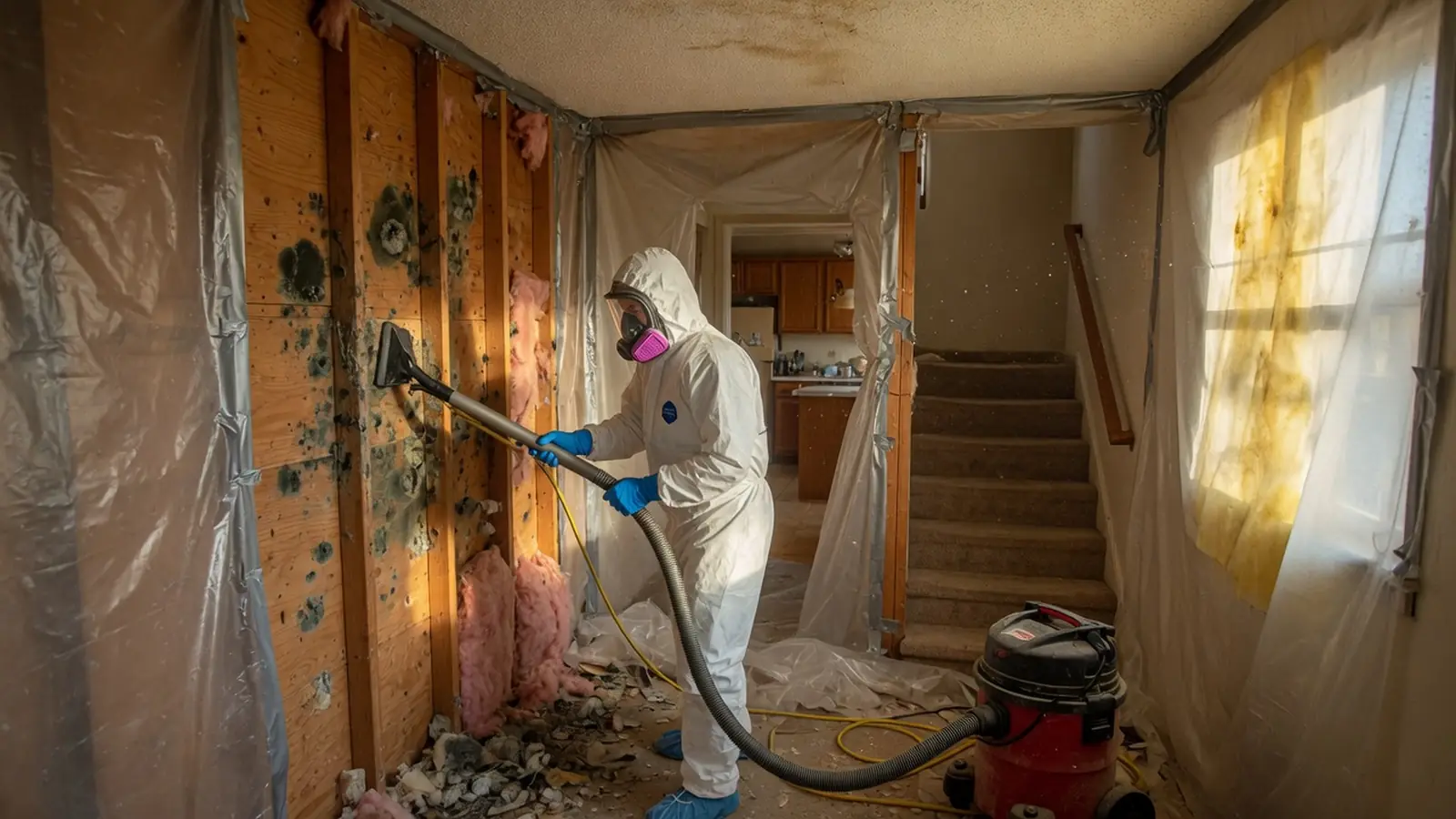
High coastal humidity and warm temperatures across this coastal area allow dormant fungal spores to colonize damp drywall and framing in as little as 24 to 48 hours following an AC failure or leak. Professional remediation isolates affected zones with poly sheeting and negative air pressure to prevent viable fungal spores from dispersing through ductwork during physical removal. We restore clean indoor air quality with prompt structural decontamination.
Call (850) 555-0165 for an active leak.
Prefer to talk? (850) 555-0165
Thorough Mold Elimination And Structural Drying
New construction homes suffer from recurring roof leaks, elevated interior humidity, and mold growth caused by building envelope failures during regional rainstorms.
In community forums, property owners question the thoroughness of water mitigation after finding hidden dampness and potential mold growth behind baseboards and inside wall cavities.
A pattern echoed in public discussions is that homeowners struggle to determine whether extensive remediation estimates specifying negative air machines and plastic containment represent standard industry procedures or inflated costs.
To eliminate second-guessing, you can explore our comprehensive water damage restoration options to protect your property value.
Our certified technicians inspect framing with deep thermal imaging and moisture meters across neighborhoods from St. Andrews to Millville.
Our Step-by-Step Remediation Protocol
A pattern echoed in trade video discussions is that emergency water removal must transition immediately into structural drying and decontamination around the clock to prevent irreversible material rot.
- Containment And Air Scrubbing. We isolate affected zones using commercial poly sheeting barriers and run HEPA-filtered air scrubbers to trap airborne fungal spores.
- Antimicrobial Wash Treatment. Homeowners frequently ask: does spraying chlorine bleach on porous wood framing kill the root structure of mold colonies, or is an EPA-registered antimicrobial wash required? We apply an EPA-registered antimicrobial wash that penetrates wood pores to eliminate deep roots.
- Controlled Moisture Extraction. Homeowners face uncertainty regarding the proper antimicrobial wash protocol and structural drying sequence to protect exposed studs and subflooring after floodwaters recede. When subfloors stay saturated, you can schedule professional flood cleanup for submerged crawl spaces to ensure deep mechanical drying.
- Generator-Backed Dehumidification. As technicians often emphasize in public discussions, regional post-storm power loss creates a multi-day drying bottleneck, requiring generator power to run dehumidifiers and avoid mold growth.
Scientific Moisture Verification
Trapped moisture behind baseboards and within wall cavities lingers for weeks after severe tropical storms, causing swelling and persistent musty odors. When recovering from severe weather, homeowners recovering from severe storm damage and coastal wind intrusion rely on our meticulous moisture verification before any containment is taken down.
Crawl Space Mold Mitigation
We eliminate fungal colonies from crawl space joists and subflooring using targeted antimicrobial misting and specialized HEPA vacuums. Our containment stops spore migration into living areas above.
Drywall And Cavity Remediation
We safely remove contaminated drywall and sanitize interior stud cavities following water leaks. Each wall cavity is thoroughly sanitized, dried, and tested before reconstruction begins.
HVAC And Duct Decontamination
Air conditioning systems often pull fungal spores through ductwork during hot humid months. We clean air handlers, sanitize registers, and neutralize microbial odors to protect indoor air quality.
Our Dedication To Restoring Indoor Air Quality
We approach every mold challenge with strict containment protocols, scientific moisture detection, and continuous drying to ensure your living spaces remain safe and clean.
- 13Zip Codes Served
- 5Service Areas
- 3Services Offered
Homeowners across our coastal communities share their real experiences with our mold removal and containment services.
“Heavy tropical downpours delayed access to our crawl space for two days when groundwater pooled around the foundation. The crew adjusted their hours immediately and ran high-capacity extraction units late into Saturday to keep our remediation timeline on track. Their flexibility saved our subflooring from deeper contamination.”
Marcus B.
“With my elderly mother using a walker and our two rescue terriers indoors, we worried about spore exposure and containment plastic blocking hallways. The team built an isolated zippered corridor with negative air pressure that kept her living quarters completely safe and quiet. We never had to relocate during the entire four-day process.”
Elena V.
“Another contractor offered a lowball quote that only involved spraying surface bleach without setting up any containment barriers. This company explained why negative air machines and physical removal of drywall were mandatory to stop spores from traveling through our ductwork. Choosing their thorough remediation gave us verifiable air quality results and true peace of mind.”
Devon K.
“Our municipal clearance inspection required strict third-party air sampling before drywall replacement could be permitted. The crew documented every containment seal and antimicrobial application flawlessly, allowing our property to pass the environmental test on the first visit. Their precise moisture logs kept our entire rebuilding permit moving without administrative hold-ups.”
Clara S.
Frequently Asked Questions
Why are negative air machines and plastic containment required for mold removal?
Negative air machines and plastic barriers isolate fungal spores to prevent cross-contamination through ventilation systems during cleanup. Homeowners struggle to determine whether extensive remediation estimates specifying negative air machines and plastic containment represent standard industry procedures or inflated costs, but containment is an essential IICRC protocol.
Can spraying bleach on wood framing permanently kill mold?
Bleach cannot kill deep fungal root structures in porous framing and merely bleaches surface stains while leaving moisture behind. Does spraying chlorine bleach on porous wood framing kill the root structure of mold colonies, or is an EPA-registered antimicrobial wash required? Professionals always apply an EPA-registered antimicrobial wash to penetrate framing pores and stop active regrowth.
How quickly does mold colonize building materials after an AC leak?
Dormant mold spores colonize damp drywall and structural lumber in 24 to 48 hours under hot humid conditions following moisture intrusion. High coastal humidity allows spores to germinate rapidly, making immediate extraction and rapid drying essential.
How do technicians find mold hidden behind walls and baseboards?
Restoration teams detect concealed moisture and mold inside wall cavities using thermal cameras, non-invasive meters, and cavity borescopes. Property owners question the thoroughness of water mitigation after finding hidden dampness and potential mold growth behind baseboards and inside wall cavities, so technicians inspect enclosed spaces thoroughly before finishing.
What structural drying sequence is required after floodwaters recede?
Post-flood drying requires physical mud extraction, antimicrobial wash on bare studs, and continuous industrial dehumidification to safe levels. Homeowners face uncertainty regarding the proper antimicrobial wash protocol and structural drying sequence to protect exposed studs and subflooring after floodwaters recede, which is why certified technicians follow strict moisture meter thresholds.